While campus is not nearly as populated over the summer months, there was plenty of excitement at the Leahy Institute for Environment (LI4E)! The native plant, entomological, and avian pollinator communities were active in the pollinator gardens and LI4E students, staff, and faculty participated in a variety of teaching and learning opportunities both on and off campus.
Biology professor Declan McCabe and two SMC undergraduate students led a bug camp that utilized both indoor and outdoor living classrooms. 15 excited middle schoolers were taught the sweep netting method to catch bugs in the Natural Area and Teaching Gardens. In addition to the bugs they caught, these students used the labs in Cheray to study spiders, isopods, and even a giant African millipede brought in from the Bronx Zoo! Other camp activities included making bug hotels. These structures help promote biodiversity by providing safe shelters to insects. You can read more about this project in the “Invasives and Insect Hotels” blog post.

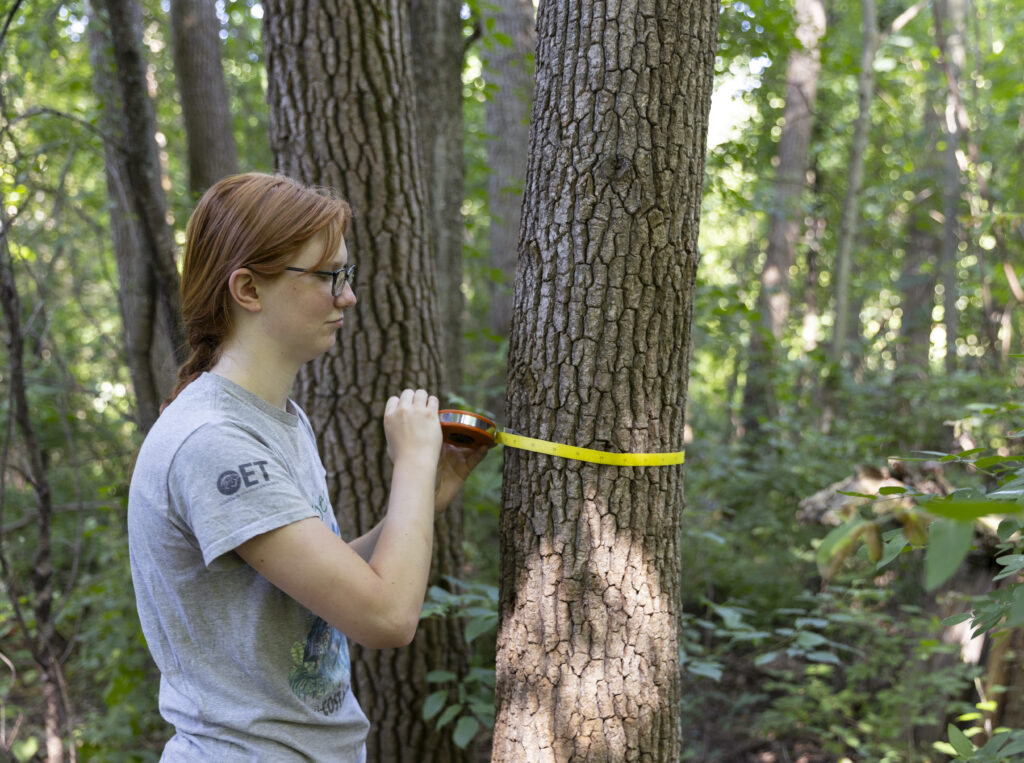
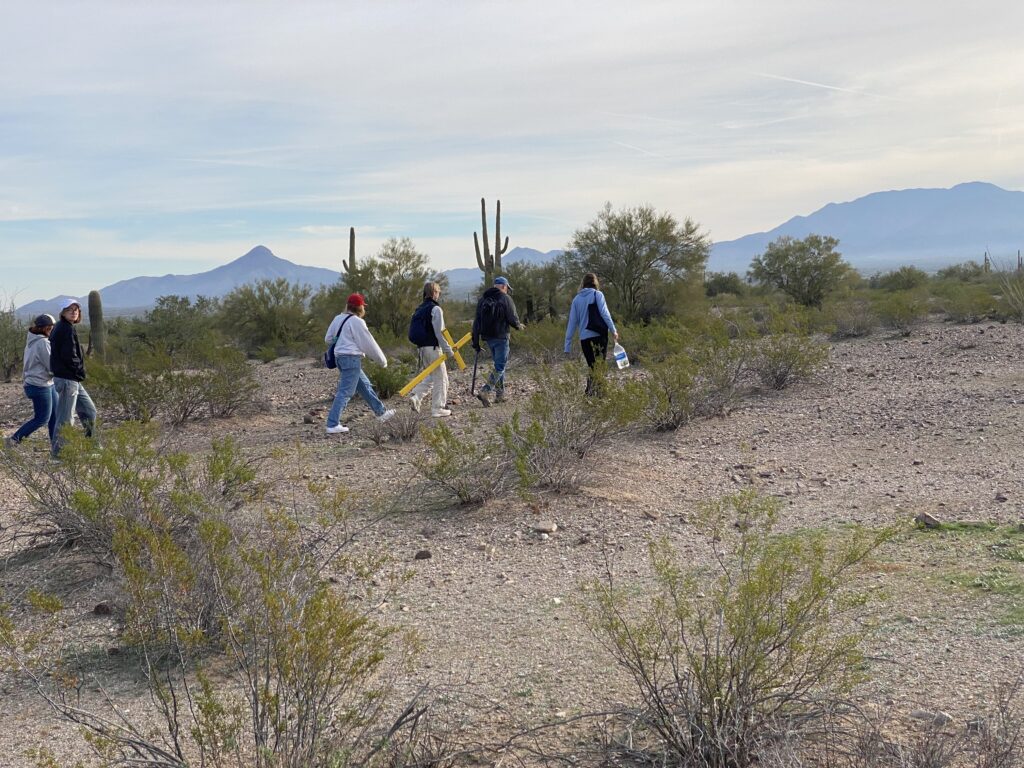
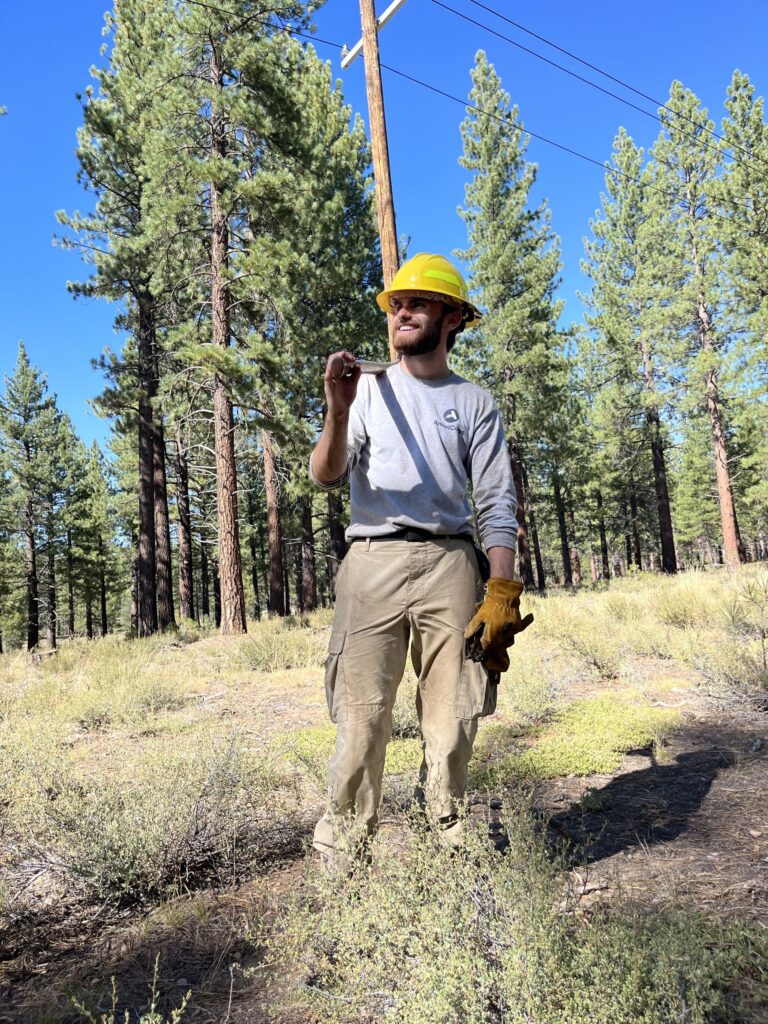
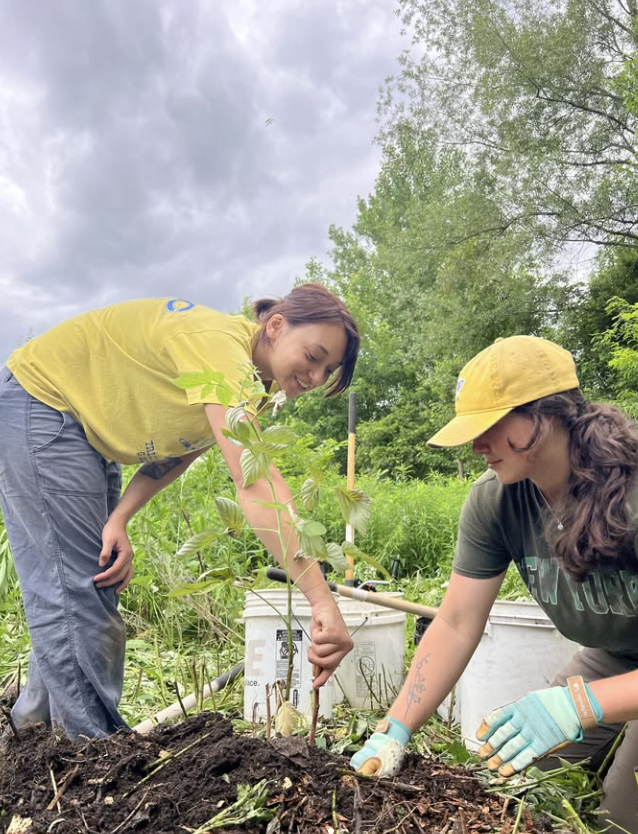
Also in the Natural Area, and across campus, LI4E Program Manager of Ecological Restoration and Environmental Studies professor, Trevien Stanger guided our summer stewards through ecological restoration projects. On top of trail maintenance and displaced species removal, one of their main projects included ongoing work in the upper fields of the food forest. Protective tubing was put around the bases of 65 chestnut tree hybrids previously planted in the area to prevent animals from chewing on and damaging the young trees.
Ecological restoration was only part of what the stewards were up to this summer. They spent the majority of their time at another outdoor and living classroom: The Farm at SMC. Led by Farm and Food Program Manager Christine Gall, these four students were involved in all aspects of the farming process. Both Elsa Gordon and Aby Amigo were amazed by how much work goes into farm and food, something most people don’t consider when grocery shopping. Olivia Record appreciated how deeply her experiences were intertwined with academics. Since the focus on the farm is agroecology via education instead of profit, she felt comfortable making mistakes and experimenting with a diversity of methods. At the LI4E, failure is not only expected but encouraged because it stands for

First. Attempts. In. Learning. It is thanks to the support of our community that we can prioritize an approach to experiential learning that values authenticity, immersion, engagement, and transformation. Our 10 year old CSA brings in most of the farm’s revenue each year and has over a 70% returning member rate. Another avenue of community support is the self-serve farm stand. Below are some recipe recommendations from the summer stewards that use SMC farm produce! These items can be found and purchased from the self-serve farm stand in STE 119 or at the Thursday farm stands in Alliot through October while they are still in season.
Elsa’s Pick: Zucchini pesto pasta using zucchini and pesto
Olivia’s Pick: Pasta salad using tomatoes, peppers, cucumber, and carrots

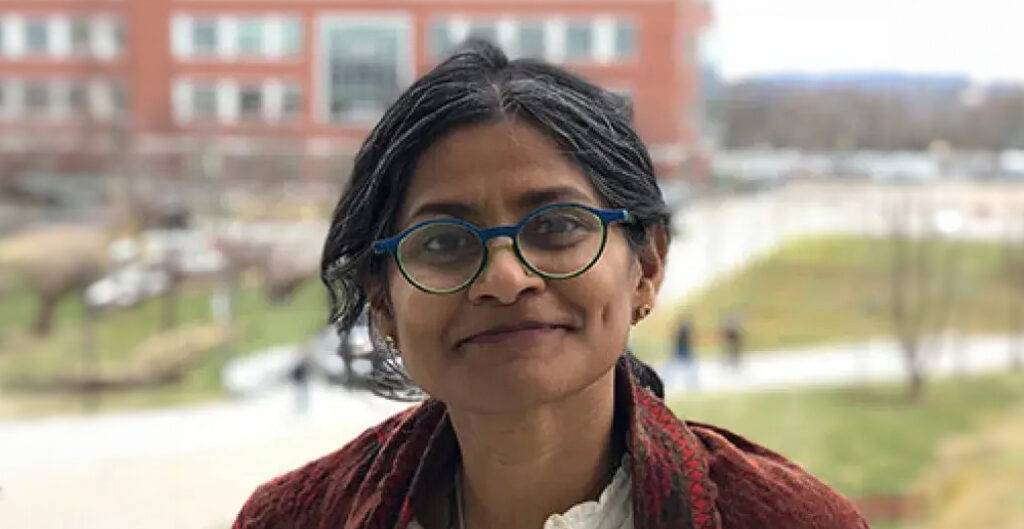
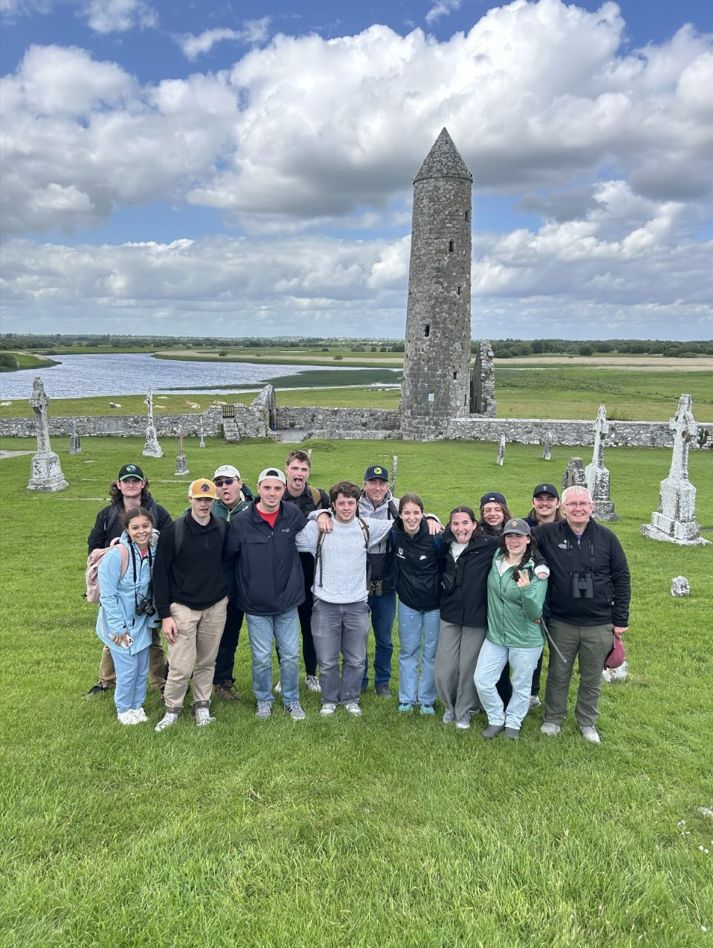
On the other side of the world, Professors Stanger, McCabe, Hideko Furukawa, previous LI4E graduate assistant George Ackerman III, and 12 undergraduate students took a two week study trip to Japan! This trip was part of the Trees, Shrines, and Temples: Sustainable Forestry in the Japanese Context course and was fully funded by the LI4E! This group collaborated with Japanese high school and college students to restore habitats in a variety of settings. The findings from this trip will be presented on November 12th at The Branching Out Symposium. More information can be found here.
While all these projects represent distinct teaching and learning opportunities, they perfectly encapsulate the interdependent ecosystem of liberal arts programming the LI4E aims to promote. Environmental community is cultivated through things like salad days and campus visits. Teaching and learning is nurtured by research, study trips, and mentored application of knowledge and skills. Student development is fostered through professional development, reflection, and leadership opportunities. As we get into this fall semester, we encourage anyone interested in outdoor learning opportunities to use this link to sign your classroom or program up!


For all press inquiries contact Elizabeth Murray, Associate Director of Communications at Saint Michael's College.
Related News See more news