The Popes and the Planet: How Catholic Teaching on the Environment Evolved

In the first part of this series concerning the environment, we explored how the Catholic call to care for creation is rooted in Scripture, particularly the Genesis account of stewardship and the biblical tradition of justice and harmony with the earth. But how has this teaching evolved in modern Catholic thought? Before Pope Francis’ Laudato Si’ brought ecological theology into the spotlight, several popes helped shape the Church’s growing awareness that care for creation is a moral and spiritual duty.
 Seeds of Awareness: From Rerum Novarum to Pacem in Terris
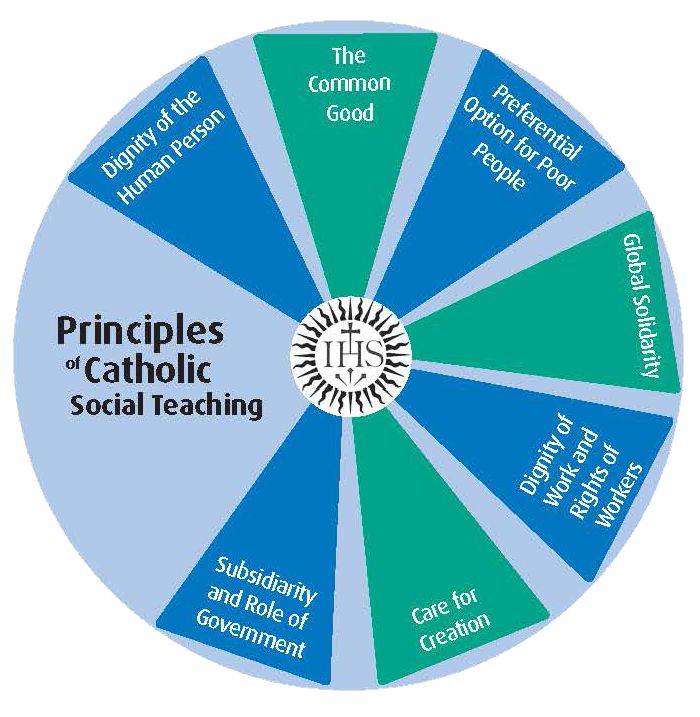
The foundation of modern Catholic social thought begins with Pope Leo XIII’s Rerum Novarum (1891), a response to the upheaval of industrial capitalism. While focused primarily on labor and economic justice, this encyclical introduced the idea that social structures—economic, political, and cultural—must serve the dignity of the human person. Though it didn’t address the environment directly, it laid the groundwork for an integral vision of human life in society, including the material world.
Pope John XXIII’s Pacem in Terris (1963), written during the Cold War, introduced a broader global perspective. While still not explicitly ecological, it emphasized the universal common good, setting the stage for linking peace, justice, and care for creation.
John Paul II: “The Ecological Crisis is a Moral Issue”
A major shift came with Pope John Paul II. In his 1990 Message for the World Day of Peace, titled Peace with God the Creator, Peace with All of Creation, he stated in the talk that the ecological crisis is a moral issue. This was a turning point. He taught that human beings, made in God’s image, are called to exercise responsible stewardship, not domination, over the earth. He linked environmental degradation to a failure of moral responsibility, consumerism, and disregard for the poor.
Pope John Paul II also emphasized the interconnectedness of life, writing that respect for human dignity and protection of the environment are not separate concerns. In Centesimus Annus (1991), he warned against the destructive power of unchecked capitalism and exploitation of natural resources.
Benedict XVI: “If You Want to Cultivate Peace, Protect Creation”
Pope Benedict XVI deepened and refined this teaching. Often called the “green pope,” he was the first to introduce solar panels at the Vatican and took symbolic steps to reduce the Vatican’s carbon footprint. But more significantly, his encyclical Caritas in Veritate (2009) tied environmental concern to Catholic doctrine on charity, truth, and justice.
 He wrote, “The environment is God’s gift to everyone, and in our use of it we have a responsibility toward the poor, toward future generations and toward humanity as a whole” (§48). For Benedict, ecological degradation was a violation of justice, an offense against the poor and a failure to love.
In his 2010 Message for the World Day of Peace, Pope Benedict XVI wrote: “If you want to cultivate peace, protect creation” (§14). This simple, elegant phrase summed up years of reflection: environmental concern is not marginal; it is central to the Church’s mission of promoting peace, justice, and solidarity.
Toward an Integral Ecology
By the time Pope Francis was elected in 2013, the Church was ready to speak boldly and prophetically about the environmental crisis. The groundwork had been laid: from initial social concerns about labor and the economy, through growing moral awareness of environmental degradation, to an integrated theology that connects human dignity, economic justice, and the health of the planet.
Laudato Si’, published in 2015, did not come out of nowhere. It was the flowering of seeds planted over more than a century of Catholic social teaching.
In the next blog, we’ll explore Laudato Si’ more deeply: its vision of integral ecology, its call to conversion, and its challenge to all of us to live as true stewards of our common home. If you would like to make a comment or ask a question, I can be reached at dtheroux@smcvt.edu. Let’s talk!

For all press inquiries contact Elizabeth Murray, Associate Director of Communications at Saint Michael's College.
Related News See more news